Tamago sando
Time Immemorial
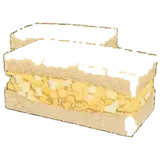
Tamago sando (たまごサンド)
Also known as Japanese egg sandwich, Egg sando
3 places claim to have invented this one. The case file is below.
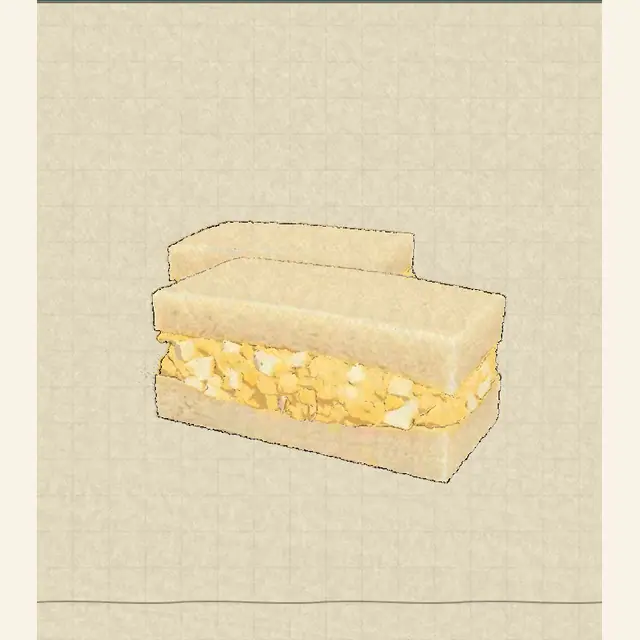
Medium confidenceAnatomy of the Tamago sando
Origin story
Osaka, Japan · 34.69°N, 135.50°E
No dated 'first' tamago sando has surfaced in any source we could find, and we're not going to invent one.
No dated 'first' tamago sando has surfaced in any source we could find, and we're not going to invent one. What exists instead are two undated shop-attribution stories, each tied to a different version of the sandwich: Marufuku, a kissaten (old-style coffee shop) near Sennichimae in Osaka, is credited by some food writers with inventing the cold egg-salad version that later became the convenience-store standard, while Tamagoya Okamoto, a four-generation egg specialist in Kyoto, is credited with a different, dashimaki-style version made from a rolled Japanese omelette rather than egg salad. Both are shop legends rather than documented firsts. What's better attested is the route to ubiquity: the sandwich format itself arrived with Portuguese traders in the 16th century, milk bread (shokupan) spread from the 1800s, and the egg-salad tamago sando became a nationwide staple through 7-Eleven and other konbini chains after Japan imported the American convenience-store format in the 1970s. We place the record in Osaka, on the more frequently repeated egg-salad claim, rather than Kyoto, and record the rival Kyoto claim below.
No earliest documentary reference found, so the record is open. If you have one, that's worth more to us than another retelling.
The Dispute
We don't adjudicate. Here is the evidence for each claim, neutrally, with its source.
No dated 'first' tamago sando has surfaced in any source we could find, and we're not going to invent one. What exists instead are two undated shop-attribution stories, each tied to a different version of the sandwich: Marufuku, a kissaten (old-style coffee shop) near Sennichimae in Osaka, is credited by some food writers with inventing the cold egg-salad version that later became the convenience-store standard, while Tamagoya Okamoto, a four-generation egg specialist in Kyoto, is credited with a different, dashimaki-style version made from a rolled Japanese omelette rather than egg salad. Both are shop legends rather than documented firsts. What's better attested is the route to ubiquity: the sandwich format itself arrived with Portuguese traders in the 16th century, milk bread (shokupan) spread from the 1800s, and the egg-salad tamago sando became a nationwide staple through 7-Eleven and other konbini chains after Japan imported the American convenience-store format in the 1970s. We place the record in Osaka, on the more frequently repeated egg-salad claim, rather than Kyoto, and record the rival Kyoto claim below.
Osaka, Japan
Marufuku, a kissaten near Sennichimae, Osaka, claims to have invented the cold egg-salad version of tamago sando that later became the convenience-store standard.
Evidence: [2]
Kyoto, Japan
Tamagoya Okamoto, a four-generation egg specialty shop in Kyoto, is credited by some food writers with a rival dashimaki-omelette version of the sandwich, said to have been popular among Kyoto's maiko.
Evidence: [3]
Our reconstruction
Notes on this reconstruction
We make the konbini-style egg-salad version, since that's the one that's globally recognised and best documented, rather than trying to arbitrate the Osaka/Kyoto shop dispute. The dashimaki-omelette version is a genuinely different sandwich, closer in spirit to katsu-sando's cousin dishes than to egg salad, and deserves its own future record rather than being folded into this one.
- Yield
- 1 sandwich, cut into 2
Method
Boil the eggs so the yolks are just set but not chalky, about 9 minutes from a cold start, then chill in iced water.
Peel and separate two of the yolks from their whites; finely chop all the whites and one yolk, and push the remaining yolks through a sieve.
Combine the chopped egg and sieved yolk with the mayonnaise, sugar, salt and pepper, keeping the mixture slightly chunky rather than a smooth paste.
Butter both slices of bread edge to edge: this keeps the mayonnaise from soaking through.
Spread mustard on one slice if using, then pile the egg mixture generously onto the other, mounding it higher in the centre than at the edges.
Close the sandwich and press gently but evenly, then wrap tightly in baking paper and chill for at least 20 minutes so it holds together when cut.
Trim the crusts and cut in half with a sharp, damp knife in one clean stroke.
Sources
- Tamago Sando: Wikipedia (retrieved 2026-09-24) No documented inventor or date found; popularised via 7-Eleven and konbini culture
- Japan's Top Tamago Sandos & Toasts: Luxeat (retrieved 2026-09-24) Marufuku, Sennichimae, Osaka: claims to have invented the cold egg-salad version
- Dashimaki Tamago Sando (Japanese Egg Sandwich): norecipes (retrieved 2026-09-24) Tamagoya Okamoto, Kyoto, four generations; dashimaki-omelette version popular among maiko
- Japanese Egg Sandwich (Tamago Sando): Just One Cookbook (retrieved 2026-09-24) 16th-century Portuguese sandwich introduction; shokupan spreading from the 1800s; postwar konbini rise; technique reference